

By using this site, you agree to the Privacy Policy and Terms of Use.
Accept
VONEIVONEI
Notification
Font ResizerAa
  • Home
  • North Voice
  • Top News
  • Editorial
    • Articles
    • Book Reviews
    • Explainers
  • Seven Sister
    • Arunachal Pardesh
    • Assam
    • Manipur
    • Mehgalaya
    • Mizoram
    • Nagaland
    • Tripur
  • East India
    • Chhattisgarh
    • Jharkhand
    • West Bengal
  • About us
  • Contact us
  • Privacy Policy
  • Authors
Reading: Arunachal’s Dual Crisis: Silent Borders and Forced Dams Under Modi
Share
Font ResizerAa
VONEIVONEI
Search
  • Home
  • North Voice
  • Top News
  • Editorial
    • Articles
    • Book Reviews
    • Explainers
  • Seven Sister
    • Arunachal Pardesh
    • Assam
    • Manipur
    • Mehgalaya
    • Mizoram
    • Nagaland
    • Tripur
  • East India
    • Chhattisgarh
    • Jharkhand
    • West Bengal
  • About us
  • Contact us
  • Privacy Policy
  • Authors
Have an existing account? Sign In
Follow US
  • Write for Us / Guest Post
© 2026 Voice of Noth East India Network. All Rights Reserved.

Home - Seven Sister - Arunachal’s Dual Crisis: Silent Borders and Forced Dams Under Modi

Seven Sister

Arunachal’s Dual Crisis: Silent Borders and Forced Dams Under Modi

Last updated: November 2, 2026 11:46 am
Nilakshi Rabha
2 days ago
Share
images 30
SHARE

Arunachal Pradesh has become a stark illustration of the Modi government’s dual failure on the China frontier and at home. In late October 2026, ITBP Director General Shatrujeet Kapur publicly confirmed that face-offs between Indian and Chinese troops continued at multiple locations along the Arunachal border. Reports indicated Chinese forces had pitched tents roughly 6–7 km inside India’s perception of the Line of Actual Control near Taksing in Upper Subansiri since July, with confrontations persisting even around the time of high-level meetings. The Ministry of External Affairs later acknowledged that the border “gets disturbed” when Chinese patrolling diverges from established patterns an admission that undercuts earlier claims of restored stability after 2020. Opposition leaders have repeatedly accused the government of silence and of normalising transgressions while Chinese renaming of places in the state continues.

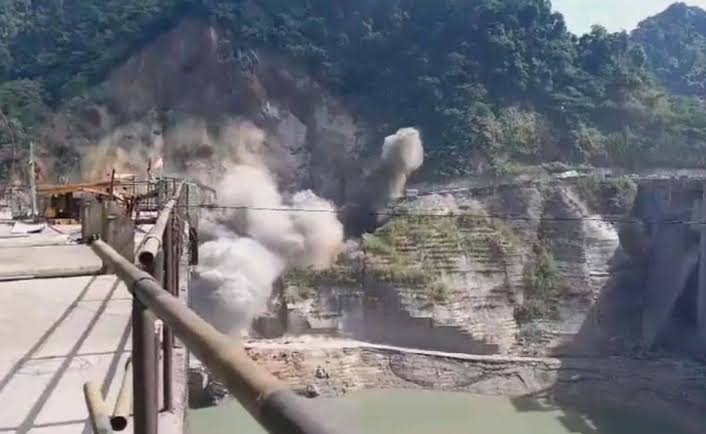
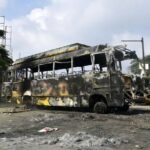
At the same time, the proposed 11,200 MW Siang Upper Multipurpose Project promoted by the Centre and the BJP-led state government as a strategic counter to China’s upstream dam plans has ignited fierce local resistance. Indigenous Adi communities fear the reservoir will submerge villages, displace tens of thousands, and destroy ancestral land, forests and river ecosystems in a highly seismic zone. A 12-hour bandh on 23 October turned violent in Pasighat: an NHPC office and police station were torched, vehicles burned, and residences linked to BJP leaders vandalised. Additional central forces were rushed in, arrests followed, and further shutdowns were called into early November. Locals demand prior consent and a halt to pre-feasibility surveys; instead they face heavy security deployments and police cases.

For a government that markets frontier infrastructure and border firmness as strengths, Arunachal exposes the costs of opacity on the LAC and development that overrides consent. The result is heightened external pressure paired with new internal fault lines hardly the picture of decisive governance.

Share This Article
Facebook Email Print
ByNilakshi Rabha
**Nilakshi** is a journalist at VONEI, dedicated to delivering accurate, timely, and impactful news. She covers a wide range of topics, including current affairs, politics, social issues, and breaking news, with a strong commitment to factual reporting and ethical journalism. Passionate about uncovering stories that matter, Nilakshi strives to provide audiences with clear, balanced, and trustworthy information while amplifying voices from the ground.
Previous Article Modi’s Eastern Consolidation Strategy: A Tale of Selective Success and Persistent Limits Modi’s Eastern Consolidation Strategy: A Tale of Selective Success and Persistent Limits
Next Article Manipur: Three Years of Bloodshed and Delhi’s Abandonment Manipur: Three Years of Bloodshed and Delhi’s Abandonment
Leave a Comment

Leave a Reply Cancel reply

Your email address will not be published. Required fields are marked *

about us

VONEI is an independent journalism platform committed to amplifying the real voices of Northeast India through reliable reporting, timely updates, and impactful storytelling.

  • Privacy Policy
  • About us
  • Contact us
  • Terms & Conditions
  • Editorial Policy
Its Own MP Wants the Census Deferred. Delhi Isn’t Listening
China at the Doorstep: Strategic Anxiety in Arunachal Pradesh
Two Years of Blood and Silence: Why Peace Remains Elusive in Manipur
Guns, Raids, and Ruins: How BJP’s Manipur Policy Turned a State Into a Permanent Conflict Zone
Modi Government Under Pressure: Denials, Not Answers, Mark Response to Arunachal Border Concerns

Find Us on Socials

©2026 Voice of Noth East India Network. All Rights Reserved.
Join Us!
Subscribe to our newsletter and never miss our latest news, podcasts etc..
Zero spam, Unsubscribe at any time.
Welcome Back!

Sign in to your account

Username or Email Address
Password

Lost your password?

