By using this site, you agree to the Privacy Policy and Terms of Use.
Accept
VONEIVONEI
Notification
Font ResizerAa
  • Home
  • North Voice
  • Top News
  • Editorial
    • Articles
    • Book Reviews
    • Explainers
  • Seven Sister
    • Arunachal Pardesh
    • Assam
    • Manipur
    • Mehgalaya
    • Mizoram
    • Nagaland
    • Tripur
  • East India
    • Chhattisgarh
    • Jharkhand
    • West Bengal
  • About us
  • Contact us
  • Privacy Policy
  • Authors
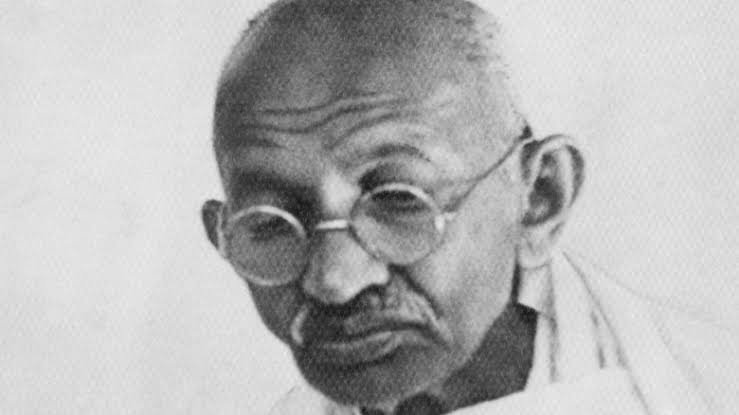
Reading: “No Forced Union”: Gandhi’s Message Delhi Never Answered“Nagas have every right to be independent… I do not believe in force or forced union.” says Mahatma Gandhi, as recorded in accounts of his meeting with Naga leaders, 19 July 1947.
Share
Font ResizerAa
VONEIVONEI
Search
  • Home
  • North Voice
  • Top News
  • Editorial
    • Articles
    • Book Reviews
    • Explainers
  • Seven Sister
    • Arunachal Pardesh
    • Assam
    • Manipur
    • Mehgalaya
    • Mizoram
    • Nagaland
    • Tripur
  • East India
    • Chhattisgarh
    • Jharkhand
    • West Bengal
  • About us
  • Contact us
  • Privacy Policy
  • Authors
Have an existing account? Sign In
Follow US
  • Write for Us / Guest Post
© 2026 Voice of Noth East India Network. All Rights Reserved.

Home - Articles - “No Forced Union”: Gandhi’s Message Delhi Never Answered“Nagas have every right to be independent… I do not believe in force or forced union.” says Mahatma Gandhi, as recorded in accounts of his meeting with Naga leaders, 19 July 1947.

Articles

“No Forced Union”: Gandhi’s Message Delhi Never Answered“Nagas have every right to be independent… I do not believe in force or forced union.” says Mahatma Gandhi, as recorded in accounts of his meeting with Naga leaders, 19 July 1947.

Roshini Sen
Last updated: October 28, 2026 10:39 am
Roshini Sen
1 week ago
Share
“No Forced Union”: Gandhi’s Message Delhi Never Answered“Nagas have every right to be independent… I do not believe in force or forced union.” says Mahatma Gandhi, as recorded in accounts of his meeting with Naga leaders, 19 July 1947.
SHARE

Mahatma Gandhi admitted near the end of British Raj that nobody can be forced to enter into a political union. This is what lies at the core of the Naga political movement. This has led to a difficult question for New Delhi; why does unity have to be forced when it is democratic?

The Naga national movement is based on a strong sense of political identity amongst the Nagas. Naga independence was declared by the Naga National Council on 14th August 1947 just one day before India gained its independence. Another key moment in Naga history was the Naga plebiscite in 1951 which according to Naga nationalists won overwhelmingly in favour of independence.

This has left a huge mark on the region. Decades of violence, displacement, militarisation and human rights abuse have caused distrust between the Nagas and the Indian government. The Armed Forces (Special Powers) Act 1958 was introduced in the Northeast due to insurgencies which has become a symbol of the extreme powers given to the security forces.

However, the problem lies in that the government cannot promote democracy if they are simply seeing the political emancipation of the people as a problem to be resolved using only force. Even if you have military control you can’t create support or make people forget their history.

There is a strong moral aspect to Gandhi’s statement “I do not believe in force or forced union”. Despite this not being an agreement to give them independence it shows how we should be looking at the issue historically.

This issue needs to be addressed with honesty. The Naga’s political ambitions need to be respected, there needs to be responsibility for the abuse they have faced and a genuine agreement to resolve the issue.

You cannot force peace. If they are genuinely uniting then they should have some say in their future.


Share This Article
Facebook Email Print
Previous Article Modi’s Eastern Consolidation Strategy: A Tale of Selective Success and Persistent Limits Tripura’s Tribal Trust Is Slipping: BJP’s Promises Crumble Under the Weight of DeceptionThe BJP’s politics in Tripura is heading toward a dilemma: after so many years of incremental promise, what has really changed for Tripura’s indigenous populations?
Next Article Bengal’s Double-Engine Mirage: Six Months of Polarisation, Not Viksit Bharat Bengal’s Double-Engine Mirage: Six Months of Polarisation, Not Viksit Bharat
Leave a Comment

Leave a Reply Cancel reply

Your email address will not be published. Required fields are marked *

about us

VONEI is an independent journalism platform committed to amplifying the real voices of Northeast India through reliable reporting, timely updates, and impactful storytelling.

  • Privacy Policy
  • About us
  • Contact us
  • Terms & Conditions
  • Editorial Policy
“From ‘Double Engine Growth’ to Deep Crisis: Unpacking Bharatiya Janata Party’s Rs 12,462 Crore Promises, 87% Youth Unemployment, and Governance Failures Under Manik Saha in Tripura”
Modi’s Election Commission is deliberately paralyzing West Bengal’s voter appeals, leaving 22 lakh deleted citizens in limbo
Mob Terror in West Bengal: Humiliation of Muslims at Peak in Kolkata
From Meitei-Kuki to Naga-Kuki: Modi’s Failure to Settle One Conflict Spawns Another
Bengal’s Bloated Cabinet: Why BJP’s 41-Member Ministry Is Under Scrutiny

Find Us on Socials

©2026 Voice of Noth East India Network. All Rights Reserved.
Join Us!
Subscribe to our newsletter and never miss our latest news, podcasts etc..
Zero spam, Unsubscribe at any time.
Welcome Back!

Sign in to your account

Username or Email Address
Password

Lost your password?

