
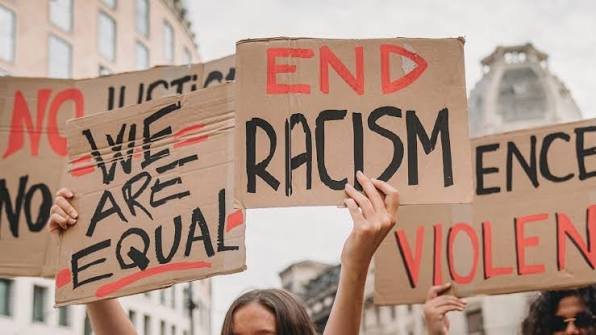
Tripura Chief Minister Manik Saha had to direct his Director General of Police to coordinate with Delhi Police after a viral video showed a content creator allegedly hurling racial slurs at a Tripura youth, calling him “China’s President,” “chinky,” and “Michael Jackson.” Tipra Motha, the BJP’s own ally, along with the CPI(M) and Congress, demanded action. The content creator later claimed the clip was “scripted.” PTI could not independently verify the video. The pattern is older than the excuse.
This comes weeks after Manipuri musician C Vikram Singh was beaten to death outside his South Delhi home in September for objecting to noise. Seven people have been chargesheeted. Opposition voices called it part of a culture of impunity. They are not wrong. Nido Taniam’s killing in Lajpat Nagar in 2014 produced the Bezbaruah Committee, promises of special units, and awareness campaigns. Nothing structural changed. Northeast students and workers in Delhi still face routine “chinky” abuse, housing discrimination, sexualised harassment of women, and the assumption that they are foreigners in their own capital. Special police units exist on paper; everyday contempt does not require a special unit.
A state chief minister having to pick up the phone to secure basic action for one of his citizens in the national capital is not a procedural detail. It is evidence that equal citizenship remains conditional for people from the Northeast. India’s constitutional promise stops at the Siliguri corridor for too many. Decades of identical incidents verbal abuse, physical attacks, killings, selective outrage, and then silence have produced the same outcome: temporary condemnation and permanent vulnerability.
When the same racism recurs for generations despite committees, special units, and political statements, the problem is not individual bigots. It is a political arrangement that has never treated the Northeast as fully part of the national body. At this point the only honest conclusion is that separate administrative arrangements with real political autonomy are no longer a radical demand. They are the minimum condition for people from the region to live without needing a chief minister’s intervention every time they are treated as outsiders in the capital of the country that claims them.