
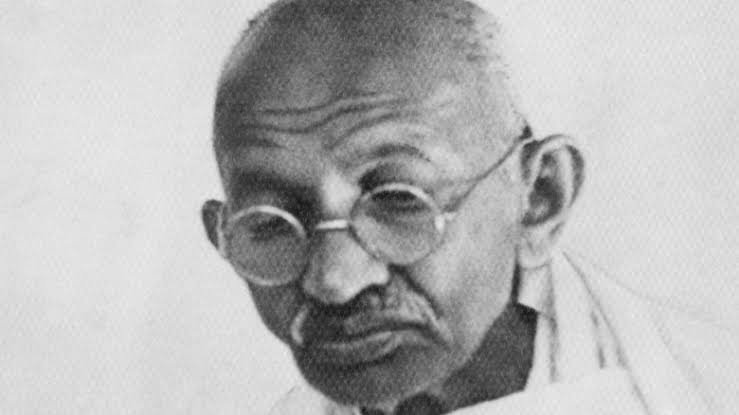
Mahatma Gandhi admitted near the end of British Raj that nobody can be forced to enter into a political union. This is what lies at the core of the Naga political movement. This has led to a difficult question for New Delhi; why does unity have to be forced when it is democratic?
The Naga national movement is based on a strong sense of political identity amongst the Nagas. Naga independence was declared by the Naga National Council on 14th August 1947 just one day before India gained its independence. Another key moment in Naga history was the Naga plebiscite in 1951 which according to Naga nationalists won overwhelmingly in favour of independence.
This has left a huge mark on the region. Decades of violence, displacement, militarisation and human rights abuse have caused distrust between the Nagas and the Indian government. The Armed Forces (Special Powers) Act 1958 was introduced in the Northeast due to insurgencies which has become a symbol of the extreme powers given to the security forces.
However, the problem lies in that the government cannot promote democracy if they are simply seeing the political emancipation of the people as a problem to be resolved using only force. Even if you have military control you can’t create support or make people forget their history.
There is a strong moral aspect to Gandhi’s statement “I do not believe in force or forced union”. Despite this not being an agreement to give them independence it shows how we should be looking at the issue historically.
This issue needs to be addressed with honesty. The Naga’s political ambitions need to be respected, there needs to be responsibility for the abuse they have faced and a genuine agreement to resolve the issue.
You cannot force peace. If they are genuinely uniting then they should have some say in their future.