

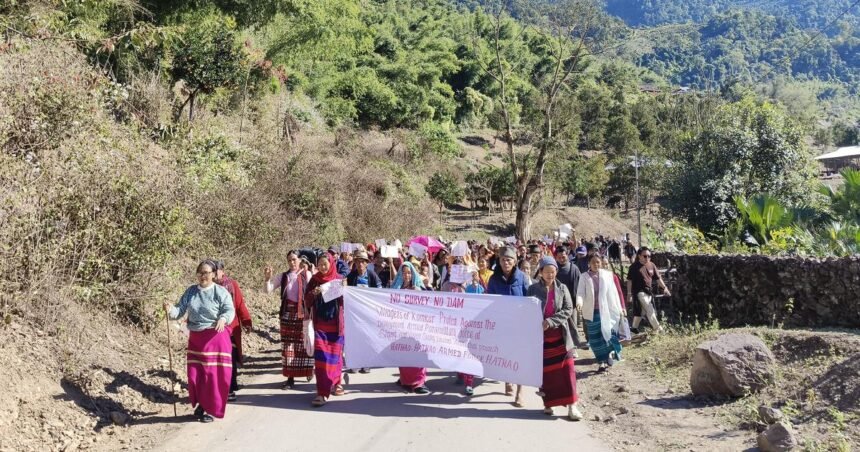
The proposed 11,200 MW Siang Upper Multipurpose Project in Arunachal Pradesh is being advanced as a strategic necessity against China’s upstream dam on the Yarlung Tsangpo. Local Adi and Galo communities, however, see something else the potential submergence of villages, loss of ancestral land and livelihoods, and irreversible change to the river that sustains them. Protests have intensified through 2026, with security forces deployed for pre-feasibility surveys, detentions under the Arunachal Pradesh Unlawful Activities (Prevention) Act, and clashes that included arson and allegations of excessive force.
The state government, led by Chief Minister Pema Khandu of the BJP, has framed the project as essential for water and energy security. The Centre’s broader narrative of Northeast development and national interest has lent weight to that push. Yet the response to dissent has relied heavily on security deployments and legal restrictions rather than prior, meaningful consent. Only after sustained pressure did the Chief Minister offer, in principle, to reduce forces and withdraw some FIRs. That concession arrived after arrests and heightened tension, not before.
Large dams in a high-seismic zone already carry technical risks. Adding the political cost of imposing them on unwilling indigenous populations risks turning a strategic asset into a long-term flashpoint. Framing local opposition as an obstacle to be managed, rather than a legitimate claim that must shape the project, mirrors a pattern in which national security rhetoric overrides local rights. If the project proceeds without genuine free, prior and informed consent, the Centre and state will own the resulting alienation.