

What began as an ethnic-political conflict in Manipur is now a humanitarian and internal security disaster the likes of which have not been seen lately. The brutal impact of the crisis which is several layers deep has exposed women to multiple vulnerabilities. The situation has brought to the fore the question of the capability of the government, law enforcement efficiency, and the accountability of institutions.
Besides the incomplete reporting of the violence through official statistics and inquiries, human rights organisations and independent monitors still maintain that the actual extent of the suffering is largely hidden because of fear, displacement of victims, and the collapse of law enforcement.
Rising Violence and Official Crime Statistics
Although the real stats cannot be derived as cases are not reported due to pressure. However, an official record suggests that about 201 cases of crimes against women were recorded only in 2023. Yet these numbers are mere indicators of the actual situation as many areas severely affected by violence have no proper reporting infrastructure.
Also, in many places, women were hindered in their attempts to go to the police station and have their say. Also, they lost legal assistance and safe ways to report. This, in turn, made the people believe that the cases reported are just a small fraction of the actual amount of incidents.
National outrage and Sexual violence
This crisis drew the attention of the whole country when the sexual assault incidents on women and their public humiliations during the mob attacks were widely broadcasted in the media. The Manipur sexual violence in the Supreme Court was referred to as “systemic and of an unprecedented magnitude, ” highlighting the level of institutional concern even at the highest judicial level.
Besides, these events became the basis of various investigations including state police and central agencies like the CBI, as the failures in prevention, response, and protection were getting more and more revealed.
Allegations, Security Response, and Institutional Checks and Balances
One of the most discussed segments of the crisis has been the role and efficiency of the security forces sent to the region. While officials argue that law enforcement agencies are making efforts to bring the situation under control, various reports and eye-witness accounts have pointed out with concern the slow response, poor protection of insecure areas, and failure to stop the mob violence. Many have pointed out In reality in some cases the security forces did not adequately protect the people Mainly when the violence was at its peak.
Displacement and Humanitarian Impact
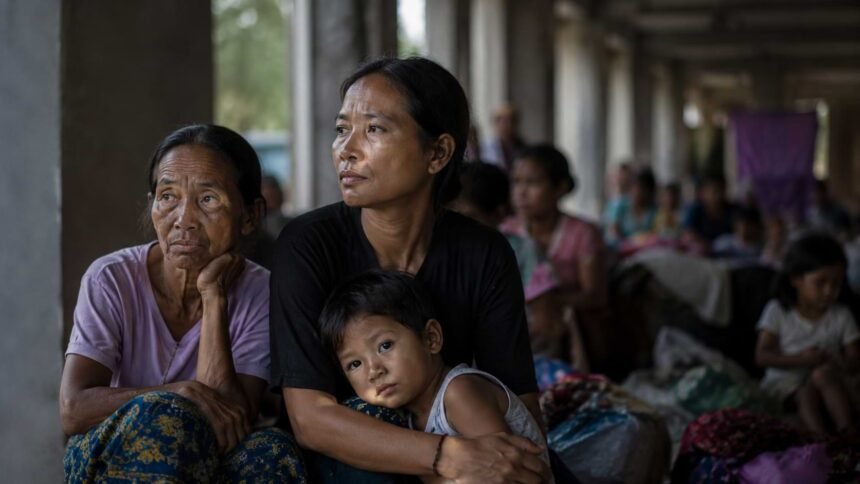
So far, the conflict has caused more than 60,000 people to relocate, with women and children comprising a large segment of the displaced persons. A considerable number ended up in relief camps where the situation remains very difficult because of the high number of residents, scarcity of resources, and uncertainty of the future for those who have already been there for a long time.
Besides, disruption of supplies of basic health services, mediums of acquiring a livelihood, and educational establishments has aggravated the humanitarian emergency bringing about social and psychological consequences among the affected families.
Deaths, Destruction, and Widespread Arson
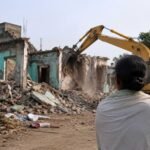
Conflict-related violence has also led to over 260 deaths being reported and almost 6,000 cases of indiscriminate burning of homes recorded.
This widespread devastation includes not only the physical structures of the villages and houses but also the essentials of community life like infrastructure. These numbers are indicative of the upheaval and the consequent disintegration of the normal pattern of life in several districts where people have been living in constant fear and insecurity.
Judicial Concern and Institutional Pressure
The Supreme Court’s steps in the matter and its severe remarks for the nature of sexual violence in Manipur have brought the crisis to the attention of the highest level of judiciary. Describing the violence as “systemic and unprecedented” has Quite a bit changed the scenario putting the authorities of the state as well as the center under the enormous pressure to go after the perpetrators, improve the security arrangements, and regain people’s confidence. The scenario in Manipur closely combines ethnic conflict, government issues, and human suffering mostly. In the coming days, the focus should be not only on bringing back peace but also on rebuilding people’s confidence, sense of security, and the way the society functions about its institutions.