
The Northeast India has been known for its beautiful hills and fertile valleys. The Northeast has an abundance of natural resources and with its cultural diversity, the Northeast still has hopes for development and equity. However, this region has the largest development gap, which ultimately reduces the quality of life. India has been updating some of its ststes under the shadows of electoral advantages. However, the Northeast is neglected in the special seasons as well. The most under developed region with poor infrastructures and spoiled economic opportunities, the Northeast tells its unfortunate story itself.
The seven sister States have a population of over 45 million people but still theses states except Mizoram are striving for basic developments.
These people have to move abroad or to the outside of region due to ongoing pattern of ignorance and neglect by government of Northeast. In comparison to the rest of the India, particularly the industrial regions of the country, the Northeast is at the bottom of the development ladder.
The Infrastructure Gap
One of the most noticeable challenges which the Northeast is facing is inadequate infrastructure. There is no roads or railways development. No safe passages for children to go to schools. No hospitals and proper facilities and the transport networks remain in worse conditions.
The Ministry of Road Transport and Highways in India has reported significantly lowest road density across northeastern states that are also mountainous, like Arunachal Pradesh and Nagaland.
Rail connectivity has its own problems, whether the developed ones or the under developed ones. Shockingly, until the last decade, many northeastern state capitals had not had direct railway links to the rest of the country. Even today, many parts of the northeastern states are still served by very few and, in some cases, are even served by a single railway line, which makes the movement of goods and passengers very expensive and time-consuming
Rural areas are still experiencing the same issue with electricity and digital communications. While there have been some expansion efforts to improve rural electrification, many people in rural regions have inconsistent electricity. The short of internet in Northeast is another point of concern. No remote work opportunities or online shopping is available in northeast as a result.
Economic Isolation
Economic growth has been a point of concern as well. The lack of sufficient infrastructure hinders economic growth. Manufacturing, large-scale agriculture, and trade sectors which rely on stable logistics face difficulties in developing when transport is expensive and unreliable.
As per the economic surveys conducted by the government, the northeastern states of the country combined contribute to a gross domestic product of less than three percent despite having a considerable population and land mass. This economic survey reflects the region’s over-dependence on agriculture and employment in the public sector.
The Unemployment Question
Unemployment is another big concern. Some states in the Northeast are having youth unemployment rates above the national average. This is due to the absence of private sector investments and big industries in the region, leading to a huge migration of young people to big cities like Delhi, Bangalore, and Mumbai to look for jobs.
The Northeast is home to a lot of human resources but, paradoxically, its youth have to move out of their states in search of opportunities. As of total about 1.2 million to 1.5 million people in Northeast India are unemployed.
Geography and Governance
The Northeast has always had geographic challenges that affect development. Development has always been Nationally complicated due to being mostly Mountains, forests, Landslides, and flood prone areas. Constructing road, rail, and power systems requires a higher investments and Tung Choi, This Terrain also requires a greater degree of technical inputs and skill to overcome every challenge that is presented.
There is development gap problems that go geologically unexplainable. Legal, organizational, and even development gaps and holes have been seen and reported by analysts of policies gaps.
There has been reported many problems regarding the infrastructures of the many policies documented over the last 10 to 12 years. These problems have been expressed and documented to the extent that developing problems and the lack of problems go years before being solved.
The Cost of Conflicts
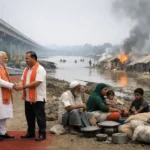
The Long-standing conflicts has influenced the Northeast’s development the most. The political climate has been infused and altered by the presence of ethnic conflicts, insurgencies, and security operations in the region over the years. There are reports that say about the involvement of government in destruction of Northeast as well.
Potential investors and even tourists are driven away from unstable regions. Businesses see reduced opportunities to open in regions they perceive as unstable. This has the most detrimental effect on the population of the region as the business opportunities diminish.
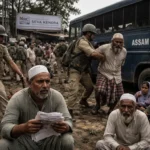
In each of the states during the ongoing conflict, i.e. Manipur, and certain regions of Assam, this has also resulted in the loss of thousands of people, tens of thousands in fact, who have been displaced.
The Static Environment
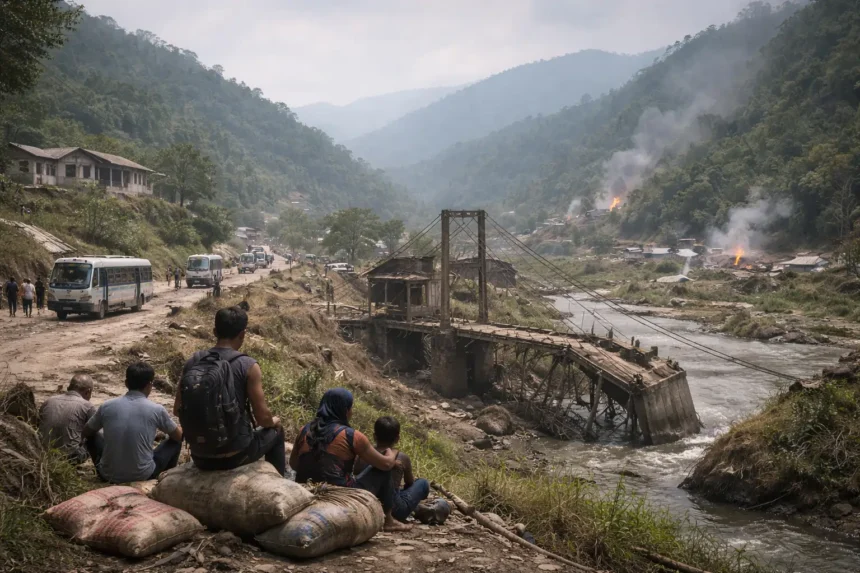
In the last 10 years the initiation of some major construction projects were a hope for Northeastern people. However, the continued delays and corruption has led to the loss and in some cases, no completion of those projects. The falling bridges and the destroyed homes, properties and livelihoods tells the story of destruction in the Northeast India where the BJP is least interested for new or the completion of projects. The only petty change Northeastern bear is the change in speeches of the politicians when it comes to the time of elections. In real, the long sustained static volatile environment is dooming the northeast India and its people.