
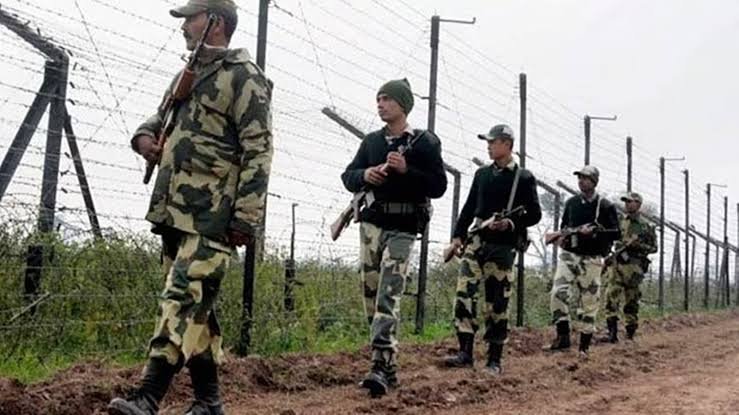
A wall is the response of the Indian Government to unrest in Manipur. In particular, the Home Minister declared his decision to fence the whole length of the 1,643 km border of India with Myanmar, which would mean the end of the Free Movement Regime. The border was established without consultation with the Naga, Kuki-Zo and Mizo people, and the fence would pass through their kinship ties, farmlands and markets.
This regime was not a gap. It was aimed at enabling the border population to cross the border without any visas for local trade, study and medical purposes, and was reduced to the 10 km zone in December 2024. The termination of the regime would mean removing the only chance for those people who live in the areas where their nearest market or clinic is in another country.
Those people were neglected. The organizations of the Naga community requested to cancel the fencing and threatened to become hostile to such measures without consultation. Mizoram’s chief minister claimed that he is against this project but cannot stop it since he cannot oppose the Centre. The policy which the local population rejects, and their elected officials are powerless before is not a consensus-based security measure.
Not to mention that it is far from being implemented. According to the source, within the Rs 31,000 crore project, only 43.75 km of fence have been made till now, only 11.5 km of roads are constructed along the border. The number of biometric entry gates has been reduced from 43 to 20. Announcement is loud; implementation is slow. In addition, there is a political risk. The fence is required by the Meitei groups which claim that the militants from the tribes are crossing the border. Involvement in the ethnic conflict on one side would not improve Manipur’s internal situation.
Surely, border security and drugs, arms and insurgencies are important, and fencing is a good measure. But this issue is complicated and multi-layered and was not created by one community. To achieve security, the authorities need to work on intelligence gathering and regulation of crossing points and establishing trust with local communities. Such fence cannot provide any of that and the government risks paying for it twice in crores and in its citizens’ goodwill.